
Hydrogen · Singapore
What Are Free Radicals?
Learn what reactive molecules do, how oxidative stress differs, and why exposure cannot diagnose a health condition.
Written by
Velta Singapore Editorial Team
Updated
Reading time
About 2 minutes
How we research
Editorial policy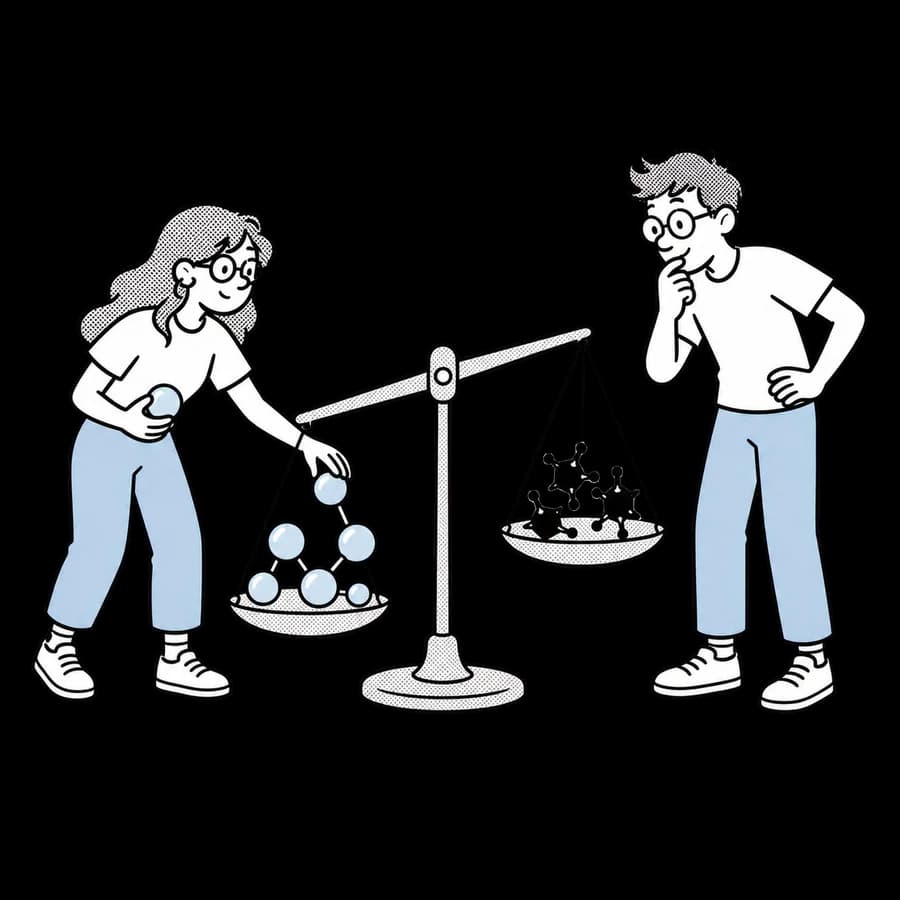
A free radical has an unpaired electron. Free radicals arise during ordinary cell metabolism and can react with other molecules. The National Cancer Institute explains that a build-up can damage DNA, proteins and lipids.
Ordinary Biology and Damaging Excess
Reactive molecules have normal roles as well as the potential to cause damage. The body has antioxidant and repair systems. Understanding the balance is more useful than treating every reactive molecule as something that must be eliminated.
Oxidative stress and inflammation are connected research topics, but their names describe different processes.
Exposure Is Not a Diagnosis
Smoke and some environmental exposures can affect reactive-molecule production. That does not mean a particular symptom has one cause, or that a consumer product can cancel an exposure. For indoor-air concerns, reducing the source and understanding ventilation and particle filtration are practical starting points.
What Can a Study Establish?
Ask whether the experiment involved chemicals, cells, animals or people. Check what was measured and whether it was a laboratory marker or a meaningful clinical outcome. A result cannot be transferred automatically to a different product or delivery method.
Hhuhu’s visible bubbles and combined bubble-plus-dissolved output do not measure free radicals in your body or prove a protective effect. Read the hydrogen-water guide for the measurement distinctions.
Sources
Next step
Read the measurements with the research.
Research findings need the study population, delivery route, measured exposure and outcome. Product capacity, visible bubbles and a gas-output headline answer different questions.