
Hydrogen · Singapore
What Is Oxidative Stress? Understanding the Research Term
Understand free radicals, antioxidant balance and why a biological mechanism does not prove a benefit from a hydrogen-water machine.
Written by
Velta Singapore Editorial Team
Updated
Reading time
About 2 minutes
How we research
Editorial policy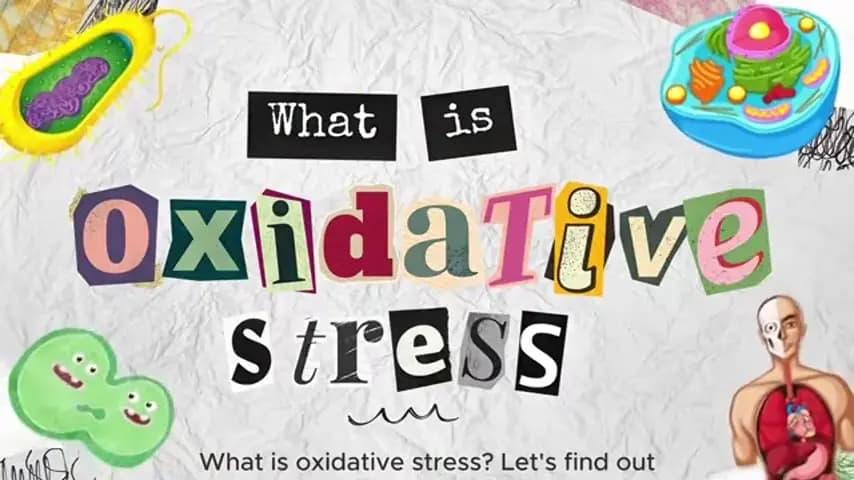
Oxidative stress describes an imbalance involving reactive molecules and the systems that control them. The US National Cancer Institute explains that excess free radicals relative to antioxidant defences can lead to cell and tissue damage.
What Are Free Radicals?
A free radical has an unpaired electron. The classroom animation uses electron transfer as a simple way to illustrate how reactions can spread. It is a teaching illustration, not a measurement of what is happening inside a particular person.
The term “oxidative stress” describes a biological process. It does not diagnose the cause of tiredness, a skin change or any other symptom.
Why Does It Appear in Hydrogen Research?
Research papers investigate mechanisms as well as outcomes. A mechanism offers a possible explanation that researchers can test; it does not establish that a consumer hydrogen-water machine improves health.
When reading a paper, ask what was studied: a chemical system, cells, animals or people? Then check the delivery method, dose, comparison group and measured outcome. A finding in one setting cannot automatically be carried over to the water in your glass.
Our hydrogen-water evidence guide explains human-study limitations and the measurements buyers can ask for.
Watch the Classroom Excerpt
The Velta Classroom includes a short educational excerpt from Velta Malaysia's animation. It introduces the biology; it does not demonstrate a Hhuhu result, recommend inhalation or promise protection from disease.
Continue with inflammation or hydrogen technology to understand the difference between a research idea and a product measurement.
Next step
Read the measurements with the research.
Research findings need the study population, delivery route, measured exposure and outcome. Product capacity, visible bubbles and a gas-output headline answer different questions.