
Hydrogen · Singapore
What Are Antioxidants?
Understand antioxidant systems, normal reactive molecules and why a mechanism is not a consumer-product benefit.
Written by
Velta Singapore Editorial Team
Updated
Reading time
About 1 minutes
How we research
Editorial policy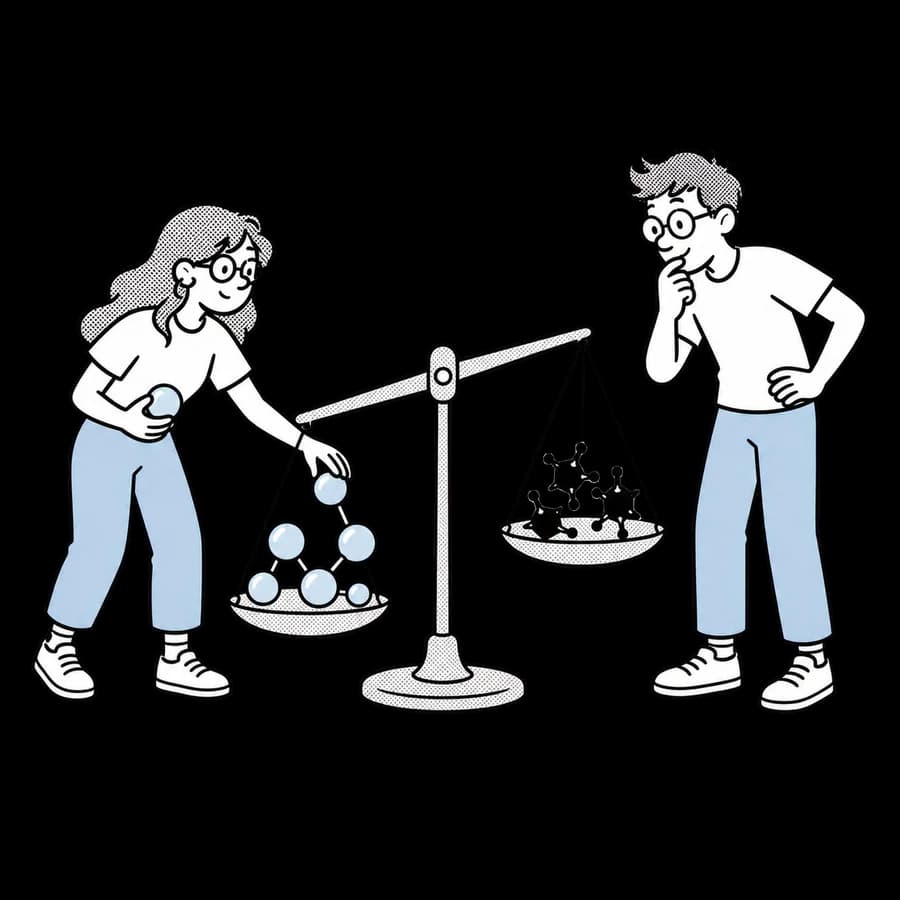
Antioxidants interact with reactive molecules and help limit damaging reactions. The body makes some of its own antioxidant systems and obtains others from food. The National Cancer Institute explains both these sources and the limits of supplement evidence.
Balance, Rather Than Eliminating Every Reactive Molecule
Reactive molecules also take part in normal biology. A useful introduction distinguishes their ordinary roles from an excess that can damage cells. Oxidative stress describes an imbalance; it is not a diagnosis based on feeling tired.
Food and Supplements Are Different Questions
The role of a nutrient in a chemical reaction does not establish that taking a high-dose supplement prevents disease. NCI’s review explains why findings from laboratory models cannot simply be carried over to people. Study the dose, population, comparison and measured outcome.
How Hydrogen Research Fits
Researchers investigate molecular hydrogen in redox and signalling pathways. These questions do not establish that Hhuhu supplies antioxidant protection, treats inflammation or improves cellular function. The machine’s capacity and gas-output headline are appliance specifications, not clinical evidence.
Compare study results in our research library, where delivery routes and evidence types remain separate.
What Should I Read Next?
Start with free radicals, then vitamin C. The Classroom includes reviewed biology excerpts paired with reading.
Sources
Next step
Read the measurements with the research.
Research findings need the study population, delivery route, measured exposure and outcome. Product capacity, visible bubbles and a gas-output headline answer different questions.